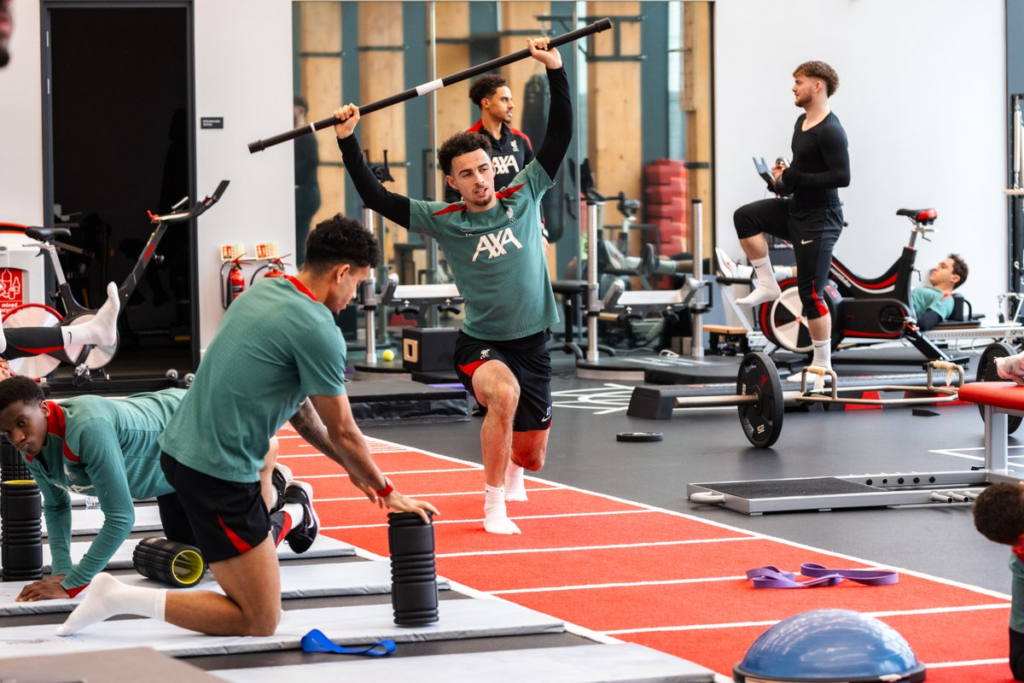
Behind every championship trophy is a story of discipline, dedication, and countless hours of hard work. While fans usually see athletes competing on game day, the real journey to success happens long before the spotlight. Champions spend years improving their skills, strengthening their bodies, and developing the mental toughness needed to perform at the highest level.
This article explores how elite athletes train behind the scenes and the habits that help them achieve consistent success.
Why Training Matters
Natural talent can provide an advantage, but consistent training is what separates champions from everyone else. Successful athletes follow structured routines that help them improve their physical abilities, technical skills, and mental focus.
Effective training helps athletes:
- Improve performance
- Build strength and endurance
- Prevent injuries
- Increase confidence
- Maintain consistency
- Recover more efficiently
Champions understand that success is earned through preparation rather than luck.
1. Setting Clear Goals
Elite athletes begin every season with specific goals.
These goals may include:
- Improving speed
- Building strength
- Learning new techniques
- Increasing endurance
- Winning championships
- Breaking personal records
Clear objectives help athletes stay focused and measure their progress over time.
2. Following a Structured Training Schedule
Champions rarely train without a plan.
Their schedules often include:
- Skill practice
- Strength training
- Cardiovascular workouts
- Recovery sessions
- Strategy meetings
- Performance analysis
A consistent routine ensures steady improvement while reducing the risk of overtraining.
3. Building Physical Strength
Strength training is an important part of almost every sport.
Athletes perform exercises that improve:
- Muscle strength
- Power
- Balance
- Stability
- Coordination
These workouts help athletes perform more efficiently while reducing the likelihood of injuries.
4. Improving Speed and Agility
Quick reactions and fast movement often determine the outcome of competitions.
Speed training includes:
- Sprint drills
- Agility ladders
- Cone exercises
- Plyometric workouts
- Reaction drills
Improving speed allows athletes to respond more effectively during competition.
5. Developing Technical Skills
Every sport requires specialized techniques that must be practiced repeatedly.
Examples include:
- Shooting in basketball
- Passing in football
- Serving in tennis
- Swing mechanics in baseball
- Stroke technique in swimming
Champions spend countless hours refining even the smallest details of their performance.
6. Focusing on Mental Strength
Physical fitness alone is not enough to become a champion.
Elite athletes also train their minds by developing:
- Confidence
- Concentration
- Emotional control
- Resilience
- Decision-making skills
Mental preparation helps athletes remain calm during high-pressure situations.
7. Prioritizing Recovery
Recovery is just as important as training.
Professional athletes often include:
- Quality sleep
- Stretching
- Massage therapy
- Ice baths
- Active recovery sessions
- Rest days
Proper recovery allows the body to repair muscles and maintain peak performance.
8. Following a Healthy Nutrition Plan
Nutrition provides the energy needed for intense training and competition.
Balanced meals typically include:
- Lean protein
- Whole grains
- Fruits
- Vegetables
- Healthy fats
- Plenty of water
Many athletes work with nutrition experts to ensure they meet their specific dietary needs.
9. Watching Game Film
Many champions spend time reviewing videos of their own performances and studying opponents.
Video analysis helps athletes:
- Identify weaknesses
- Improve technique
- Understand strategies
- Learn from mistakes
- Prepare for upcoming competitions
Learning from previous performances is an important part of continuous improvement.
10. Working with Coaches and Support Teams
Behind every successful athlete is a dedicated support system.
This team may include:
- Coaches
- Fitness trainers
- Nutritionists
- Physiotherapists
- Sports psychologists
- Medical professionals
Together, they help athletes perform at their highest level.
Daily Habits of Champions
Successful athletes often share similar habits, including:
- Waking up early
- Following consistent routines
- Staying organized
- Practicing regularly
- Maintaining discipline
- Continuously learning
Small daily improvements lead to significant long-term success.
Common Challenges Athletes Face
Even champions encounter obstacles during their careers.
These include:
- Injuries
- Pressure to perform
- Mental fatigue
- Tough competition
- Recovery setbacks
- Balancing training with personal life
Overcoming these challenges helps build resilience and character.
Lessons Everyone Can Learn
The habits of elite athletes can benefit anyone, regardless of their profession.
Key lessons include:
- Set realistic goals.
- Stay consistent.
- Focus on continuous improvement.
- Learn from failures.
- Take recovery seriously.
- Maintain a positive attitude.
These principles apply to school, work, business, and personal development.
The Importance of Consistency
Champions are not made through occasional hard work. They achieve success through consistent effort over months and years.
Regular practice, disciplined routines, and a willingness to improve every day create the foundation for long-term excellence.
Conclusion
Behind every championship victory are countless hours of preparation that most people never see. Elite athletes train their bodies, strengthen their minds, refine their skills, and prioritize recovery to perform at the highest level. Their success is built on discipline, consistency, and a commitment to continuous improvement.
Whether your goal is success in sports, education, or your career, adopting the habits of champions can help you develop the skills and mindset needed to achieve lasting success.
Frequently Asked Questions
How many hours do professional athletes train each day?
Training schedules vary by sport, but many professional athletes spend several hours each day practicing skills, exercising, recovering, and reviewing performance.
Why is recovery important for athletes?
Recovery allows muscles to repair, reduces the risk of injury, improves performance, and prepares athletes for future training sessions.
Do champions train every day?
Many elite athletes train most days of the week, but they also include planned rest and recovery days to avoid overtraining.
How important is mental training in sports?
Mental training is essential because it helps athletes stay focused, manage pressure, build confidence, and make better decisions during competition.
Can anyone develop champion-like habits?
Yes. Consistency, discipline, goal setting, healthy habits, and continuous learning are practices that anyone can apply to improve performance in sports or everyday life.